Why GRAM's Rebranding Is More Than a Name Change for TON Investors
The GRAM token's 10% surge following its rebranding from Toncoin is less about a name change and more about the power of narrative capital combined with major exchange listings on Binance and Hyperliquid. This analysis unpacks what the move signals for TON investors and the broader market.
The 10% price surge of the GRAM token — formerly known as Toncoin — is not simply a reaction to a ticker swap. It is a textbook example of how narrative capital, when combined with institutional-grade liquidity infrastructure, can translate a marketing decision into a measurable market event. To understand why this matters, it is essential to trace the full arc of what GRAM represents and what its return signals to the broader crypto ecosystem.
The asset climbed from $1.56 to a local peak above $1.71 before stabilising in the $1.65–$1.67 range, pushing its total market capitalisation to $4.49 billion and securing a position in the top 20 on CoinMarketCap. These numbers, while notable on their own, carry far greater weight when placed in historical context.
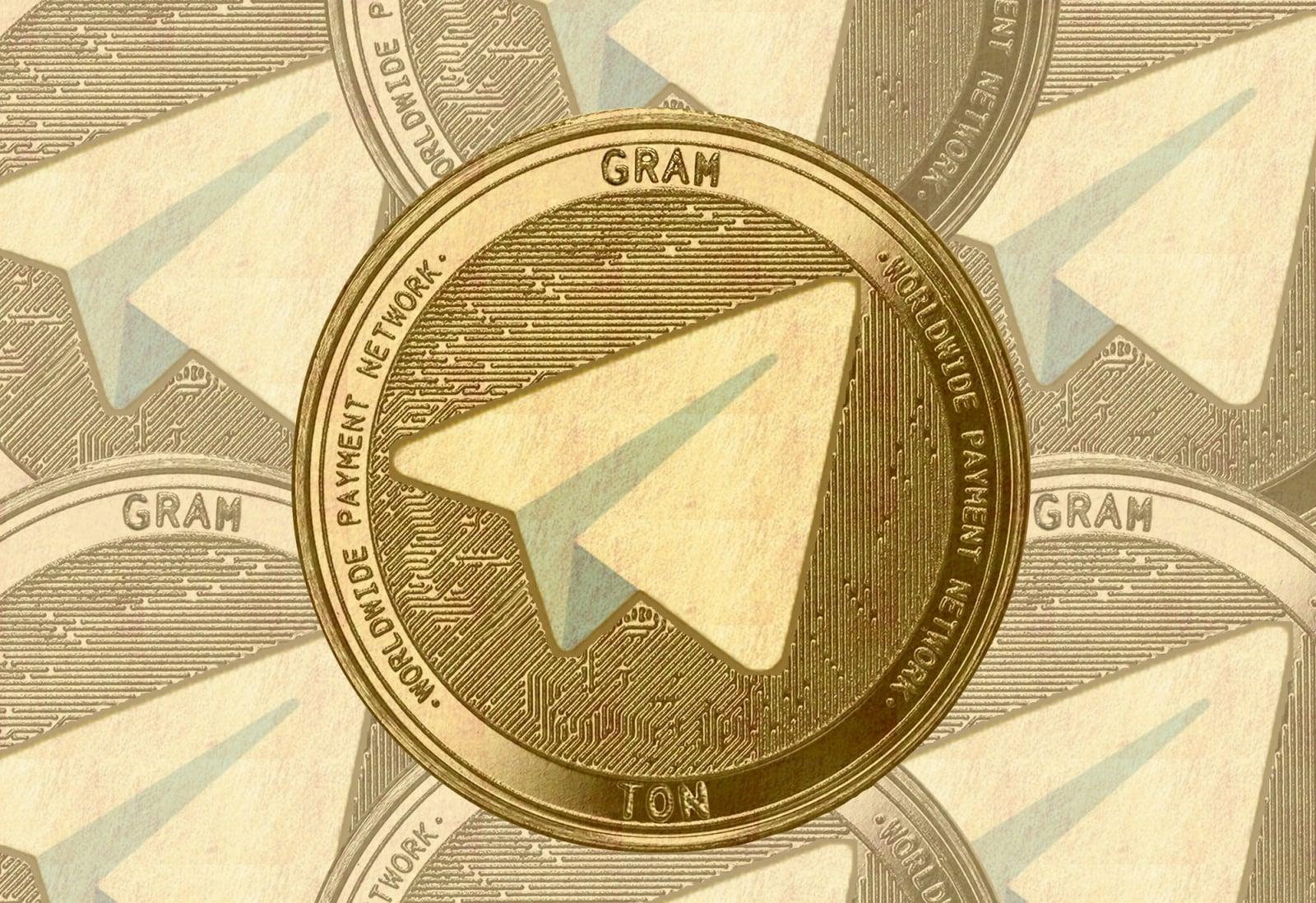
Back in 2018, Pavel Durov and the Telegram team raised a record $1.7 billion under the Gram brand to build the Telegram Open Network (TON) blockchain — one of the largest fundraising rounds in crypto history at the time. The project was ultimately shut down in 2020 under severe regulatory pressure from the U.S. Securities and Exchange Commission, and Durov returned capital to investors. What survived was the underlying blockchain technology, which an independent developer community continued to build out under the Toncoin and The Open Network branding for several years.
The decision to revert to the original 'Gram' name is a deliberate act of brand archaeology — resurfacing an identity that carries both emotional resonance and speculative memory for long-time market participants. In a rising market environment, this kind of narrative catalyst does not need to be fundamentally transformative to be effective; it simply needs to be loud enough to attract fresh capital.
What amplified the move from a narrative story into an actionable trade was the near-simultaneous listing on Binance and Hyperliquid. Binance, the world's largest centralised exchange, opened spot trading pairs against USDT, USDC, and FDUSD, while also launching futures contracts. Hyperliquid, a leading decentralised perpetuals platform, added leveraged contracts specifically at the community's request. This combination — a top-tier CEX providing spot depth alongside a DeFi venue offering leverage — handed global traders a complete toolkit for expressing both directional and leveraged positions from day one of the rebranding.
For investors, the key takeaway is structural: the confluence of a strong narrative catalyst and immediate multi-venue liquidity access is a repeatable pattern in crypto markets. When a project with deep historical recognition reactivates its legacy brand in a bullish macro climate, the market tends to re-price rapidly and decisively. The GRAM case demonstrates that this dynamic works even when the underlying fundamentals have not materially changed — the token is the same blockchain asset it was as Toncoin, yet the rebrand alone was sufficient to trigger a top-20 market cap re-rating.
Looking ahead, the sustainability of this rally will depend on whether the GRAM rebrand translates into genuine user and developer adoption beyond the initial speculative wave. The TON ecosystem has meaningful infrastructure built over years of community development, and the Telegram connection — with its hundreds of millions of users — remains one of the most compelling adoption narratives in the space. However, investors should weigh the distinction between speculative momentum, which appears to be driving the current move, and fundamental re-adoption, which would require on-chain activity metrics and developer engagement to confirm.
In summary, the GRAM episode is a reminder that in crypto, brand legacy is a form of liquidity. When that legacy is reactivated at scale, with top-tier exchange support, the market prices it in fast — and that speed itself becomes the signal worth watching.