How Ripple's Chris Larsen Is Reshaping U.S. Political Power Through Crypto Money
Ripple co-founder Chris Larsen's $1 million Super PAC investment helped propel progressive Manny Rutinel to a 60.9% primary victory in Colorado's fiercely competitive 8th congressional district. The move signals a bold — and risky — new chapter in crypto's bid to shape U.S. legislative power.
The intersection of crypto capital and American electoral politics just produced a tangible result — and it deserves more than a headline. The victory of progressive Colorado state Representative Manny Rutinel in the Democratic primary for the state's 8th congressional district is not merely a local political story. It is a signal of how blockchain-affiliated money is beginning to redraw the map of U.S. political influence.
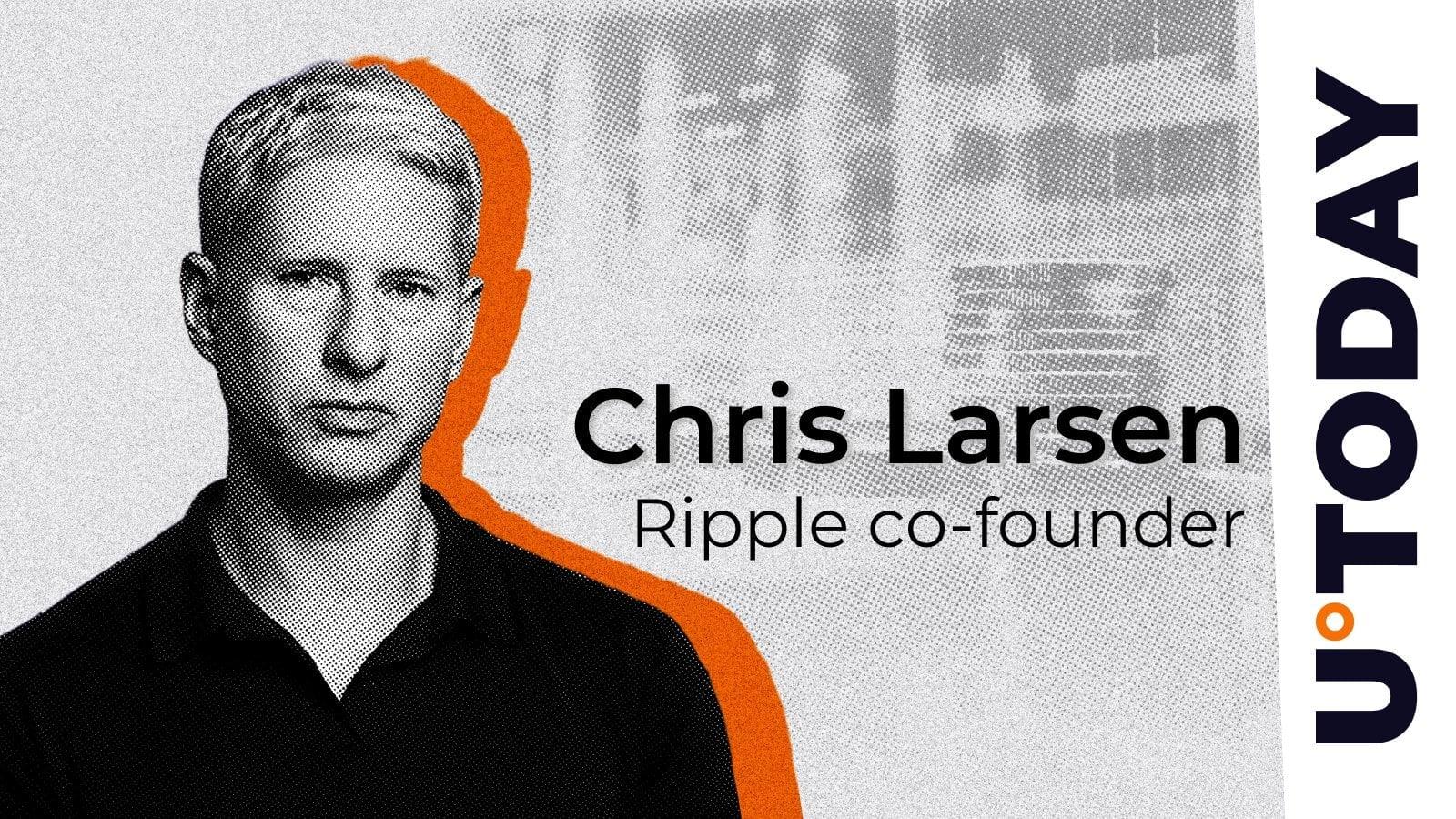
Rutinel's win was far from a narrow squeaker. He captured 60.9% of the vote against the more moderate former state Representative Shannon Bird, a margin that suggests a decisive ideological shift within the district's Democratic base. But the margin did not come from grassroots momentum alone. A critical financial catalyst was the $1 million injection from the 'You Can Push Back' Super PAC — an organization founded by Chris Larsen, co-founder of Ripple, the company behind the XRP ledger. This is not pocket change in a congressional primary, and it almost certainly tilted the competitive landscape in Rutinel's favor.
Why does this matter for the crypto market and its investors? Because it reveals a maturing political strategy within the digital assets industry. Rather than lobbying exclusively through trade associations or backing incumbents with safe records, figures like Larsen are now actively shaping who gets into Congress in the first place. A crypto-friendly legislature does not happen by accident — it is built, primary by primary.
Yet the consequences of this intervention are far from simple. Colorado's 8th district is one of the most contested congressional seats in the entire country, a genuine swing district where outcomes are razor-thin. Republicans are openly enthusiastic about facing Rutinel rather than the more centrist Bird, precisely because they calculate that a progressive candidate is more vulnerable in November. Incumbent Republican Representative Gabe Evans has already amassed a war chest of $3.4 million and will be a formidable opponent. GOP strategists are already circulating images of Rutinel alongside far-left figures such as New York City Mayor Zohran Mamdani, framing the race as an ideological referendum.
Rutinel himself appears aware of the electoral tightrope he must walk. He has already begun moderating some of his most left-leaning positions — walking back prior support for Medicare for All and softening his opposition to fracking. Whether these pivots will be enough to win over swing voters in November remains an open question. Latino communities, who constitute roughly 40% of the district's population and who heavily backed Rutinel, were a decisive demographic advantage in the primary, but the general election math is considerably more complex.
From an investor perspective, the deeper story is about risk and leverage. Crypto PACs are placing bets on candidates whose general election viability is genuinely uncertain. If Rutinel loses to Evans in November, Larsen's $1 million will have produced a primary win but no actual seat — a costly outcome for the industry's legislative agenda. Conversely, a Rutinel victory would deliver a crypto-aligned progressive voice into a closely divided House, with potentially meaningful implications for digital asset regulation, DeFi oversight, and the broader regulatory posture of Congress.
Democrats' top House Super PAC has already reserved millions in advertising for the November race, signaling that the party views the seat as winnable despite the risks. The battle ahead will be one of the most closely watched congressional contests of the 2026 cycle — and the crypto industry has now placed itself squarely at the center of it. For XRP holders and Ripple watchers, this is not just political theater. It is a live experiment in whether blockchain money can translate into durable legislative power.